.jpg)
.jpg)
.jpg)
.jpg)
.jpg)
By Rafael Torres V., Step 11

Water pollution is a significant environmental issue that affects the health of ecosystems and human populations around the world. The contamination of water bodies by various pollutants poses serious threats to aquatic life and human well-being. It's important to understand the causes and effects of water pollution in order to address this critical environmental problem. This essay has the aim to examine the sources of water pollution, its impact on ecosystems and human health, and potential solutions to mitigate this issue.
One of the main sources of water pollution is industrial activities. Factories and manufacturing plants discharge harmful chemicals and waste into rivers, lakes, and oceans, contaminating the water supply. These pollutants can cause significant damage to aquatic life, disrupt ecosystems, and harm human health. For example, heavy metals such as lead and mercury can accumulate in the tissues of fish and other aquatic organisms, posing a risk to humans who consume contaminated seafood.
Agricultural practices also contribute to water pollution through the use of fertilizers and pesticides. Excessive nutrient levels in water can deplete oxygen levels, creating dead zones where aquatic life cannot survive. Additionally, pesticides can harm aquatic organisms and disrupt food chains, affecting the overall health of ecosystems.
Another major source of water pollution is urban runoff. Stormwater carrying pollutants such as oil, chemicals, and litter flows into waterways, degrading water quality and harming aquatic habitats. The accumulation of plastic debris in oceans and rivers poses a serious threat to marine life, as animals can ingest or become entangled in discarded trash. Microplastics, small plastic particles that are difficult to remove from water bodies, pose a particularly challenging problem for environmental conservation efforts.
The impact of water pollution on ecosystems is significant. Pollutants can alter the chemistry of water, making it unsuitable for aquatic organisms to thrive. This disruption can lead to declines in fish populations, loss of biodiversity, and degradation of habitat quality. In addition, polluted water can pose health risks to humans who come into contact with contaminated water sources. Drinking contaminated water can cause a range of illnesses, including gastrointestinal problems, skin rashes, and respiratory issues.
If you are interested in the prevention of water pollution, you can participate in clean-up events, advocate for policy changes to regulate industrial waste disposal, and promote in your community on sustainable water management practices. By raising awareness about the importance of clean water and taking proactive steps to reduce pollution, we can contribute to the preservation of water resources for future generations.
In conclusion, water pollution is a pressing environmental issue that requires immediate attention and action. Everyone can play a critical role in addressing this problem by understanding its causes, effects, and potential solutions. By working together to protect water quality and promote conservation efforts, we can make a positive impact on the health of ecosystems and human populations.
By Ana M. Grau V., Step 10
To understand how air pollution works and the way it affects us, we'd have to go a couple of decades back in time, when people used to burn wood and coal to do their regular activities, supposedly, causing no damage at all,
With the 19th century came the industrial revolution that led to the widespread of creative innovations based on coal-powered machines which further polluted the air. After that, in the 20th century, the invention of the automobile and the increase in energy consumption, led to a sharp increase in air pollution and it became so common that we didn't realize how normal it was for us to deteriorate the planet at industrial levels each day.
Air quality is a crucial aspect of our environment, and as silly as it sounds, it wasn't since that long ago that we have been treating it as a priority. But, what exactly is air pollution?
Air pollution is understood as the presence of harmful or excessive quantities of substances in the air that can adversely affect human health, ecosystems, and the environment. One of the primary causes of air pollution is the combustion of fossil fuels for energy production, transportation, and industrial processes. Burning coal, oil, and natural gas releases pollutants such as carbon dioxide, sulfur dioxide and nitrogen oxides, into the atmosphere. These pollutants contribute to smog formation, acid rain, affecting billions of lives.
But it's not all that easy, talking about the effects of air pollution, they are wide-ranging and detrimental, exposure to air pollutants can lead to respiratory diseases such as asthma, bronchitis, and lung cancer. It can also exacerbate cardiovascular conditions and cause neurological disorders. Children, the elderly, and individuals with pre-existing health conditions are particularly vulnerable to the adverse effects of air pollution.
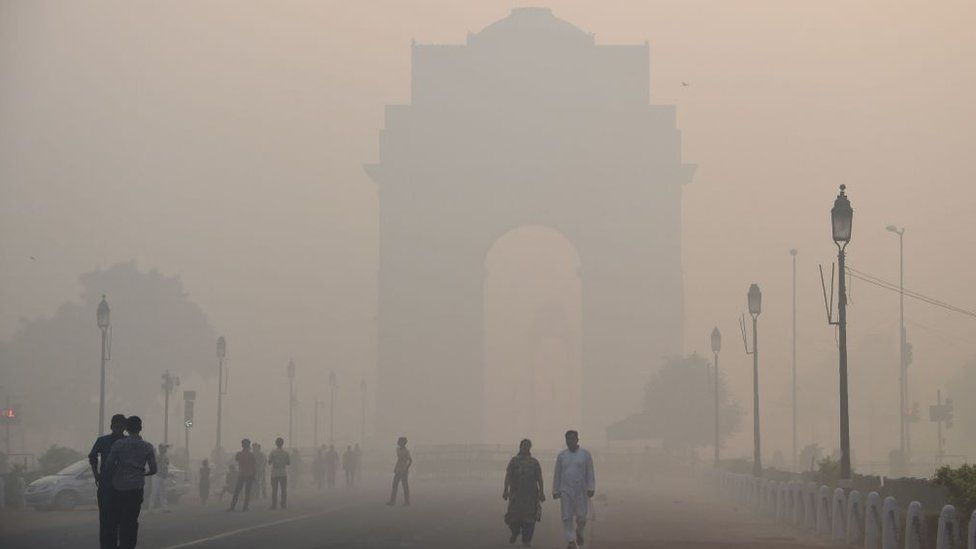
For example, In countries such as India, the quality of the air is so bad that some researchers even say breathing Delhi’s air is like smoking 25-30 cigarettes a day. Health risks in such pollution are very real. Fine particulate particles, what scientists refer to as PM 2.5, are made up of specks of sulfate, nitrate, and black carbon that have been shown in some cases to clog lungs, impair cognitive and immune functions, and cause various diseases. These particles are one-thirteenth of the width of a human hair, and can make their way into the lungs and bloodstream. A study from the Air Quality Life Index by the Energy Policy Institute at the University of Chicago, concluded that with current pollution levels, nearly 40% of India’s population will die 7.6 years earlier. (Wilson Center, 2024)
However, and looking into a more positive outlook, nowadays it has become such a noticeable problem that people around the world are finally starting to take action. To address this problem correctly, concerted efforts were needed at global levels, and fortunately, the care for our environment has grown, after noticing how much damage we had done and continued doing to it.
Starting with governments, setting the example by implementing various regulations to control emissions from factories and vehicles, which are the main factors affecting the quality of the air. Moreover, we're frequently choosing alternative energy sources such as solar and wind power, and at the same time, people are encouraged to use public transport or bicycles instead of cars.
Just as the government played a very important role, we should not leave behind the importance of education and public awareness. Global campaigns such as BreathLife, have mobilized cities and individuals to take action on air pollution to protect our health and the planet. The Sustainable development goals, that set an example and a course of action, and the creation of spaces that conscientize the reality we're going through right now, like campaigns, for fostering behavior, also change and promote environmentally friendly practices.
Once you are informed about a topic, the decision to take action is only yours, and we hope that this was your step one into helping solve a problem that we once created. Remember, there is just one Earth, and it can survive without us, but we can't without it.
By: Gabriella De La Rosa
& Sarah Naranjo, Step 10.

Soil pollution is a widespread issue with significant implications for both the environment and human health. It arises from various sources, including industrial activities, improper waste disposal, and agricultural practices. Industrial pollution introduces harmful substances like heavy metals, chemicals, and toxins into the soil, while sewage and household waste add pathogens and contaminants to the mix. Deforestation further exacerbates the problem by disrupting natural ecosystems.
The consequences of soil pollution are far-reaching. It disrupts the balance of soil microorganisms essential for nutrient cycling and plant growth, leading to decreased soil fertility and crop productivity. Contaminants can also seep into groundwater, posing health risks to humans through contaminated water sources and crops. Particularly vulnerable groups, such as children and pregnant women, face heightened health risks from exposure to polluted soil.
Addressing soil pollution requires a comprehensive approach involving regulatory measures, technological advancements, and community involvement. Strengthening regulations on waste disposal and agricultural practices is crucial to prevent further contamination. Heavy metals like lead, cadmium, and mercury, commonly found in polluted soil, can cause serious health issues, emphasizing the urgency of action.
Implementing sustainable practices and investing in remediation technologies are essential steps toward mitigating soil pollution's adverse effects. By protecting this vital resource for future generations, we can ensure environmental sustainability, human well-being, and the integrity of ecosystems. Collaboration and collective action are key to tackling the root causes of soil pollution and creating a healthier environment for all.
By: Adrián Tovar, Step 10

Air pollution is a pressing environmental issue that affects millions of people worldwide. Defined as the presence of harmful or excessive quantities of substances in the air, air pollution poses significant risks to human health, the environment, and the economy. This essay explores the causes, effects, and potential solutions to mitigate the detrimental impacts of air pollution.
One of the primary causes of air pollution is the combustion of fossil fuels for energy production, transportation, and industrial processes. Emissions from vehicles, power plants, and factories release pollutants such as particulate matter, nitrogen oxides, sulfur dioxide, and volatile organic compounds into the atmosphere. Additionally, agricultural activities, wildfires, and natural sources contribute to air pollution.
The effects of air pollution on human health are profound and far-reaching. Exposure to polluted air can lead to respiratory diseases such as asthma, bronchitis, and lung cancer. Particulate matter and toxic gasses can penetrate deep into the lungs, causing inflammation and reducing lung function. Moreover, air pollution is linked to cardiovascular diseases, cognitive impairments, and adverse birth outcomes. Vulnerable populations, including children, the elderly, and individuals with pre-existing health conditions, are especially susceptible to the health effects of air pollution.
In addition to harming human health, air pollution has detrimental effects on the environment. Pollutants can damage ecosystems, soil, water bodies, and vegetation. Acid rain, caused by the deposition of sulfur dioxide and nitrogen oxides, can harm aquatic life and corrode buildings and infrastructure. Ground-level ozone, formed by the reaction of pollutants in the atmosphere, contributes to smog and damages crops, forests, and biodiversity.
Furthermore, air pollution imposes economic costs on society. Healthcare expenses associated with treating air pollution-related illnesses are substantial, placing a burden on healthcare systems and households. Lost productivity due to illness and premature death further exacerbates the economic impact of air pollution. Additionally, environmental degradation and damage to infrastructure result in additional economic losses.
Addressing air pollution requires collective action at the local, national, and global levels. Implementing stringent regulations and policies to limit emissions from industrial sources, vehicles, and other polluting activities is crucial. Investing in cleaner technologies, renewable energy, and public transportation can help reduce reliance on fossil fuels and mitigate air pollution. Moreover, raising awareness and promoting sustainable practices are essential for fostering a culture of environmental stewardship.
In conclusion, air pollution is a complex and pervasive problem with serious consequences for human health, the environment, and the economy. By understanding its causes and effects and implementing effective strategies to reduce emissions, we can safeguard public health, protect ecosystems, and build a more sustainable future for generations to come.
References:
https://www.ncbi.nlm.nih.gov/pmc/articles/PMC7044178/
By Gabriel Mendoza, Step 10

In recent times soil pollution has become a huge problem due to different causes, one of them is pesticides because they present a very hard environmental issue with multiple consequences for nature and human health. Pesticides, while instrumental in the development of agricultural productivity, often leave in the land a toxic residue in the soil. These non natural chemicals, designed to eliminate pests and weeds are currently harming soil ecosystems, putting in danger biodiversity and soil fertility.
One of the problems with pesticide use is the persistence of these chemicals in the soil. Many pesticides; for example, organochlorines herbicides, can persist in the environment for extended periods, accumulating in the soil and groundwater. This accumulation not only contaminates the soil but puts in risks to organisms living within it, including soil microbes, insects, and plants.
Furthermore, pesticides can worsen environmental contamination by leaking into neighboring water bodies through runoff. In addition to having an impact on aquatic ecosystems, this runoff contaminants sources of drinking water, which puts public health at risk.
Chemical pesticides can be decreased with the use of integrated pest management techniques, which minimize pesticide use through comprehensive pest control approaches. To further reduce the risk of soil pollution, organic farming practices and the use of biopesticides should be encouraged.
In conclusion, immediate attention and action are required to address soil contamination brought by pesticide use. We can reduce pesticide by soil pollution and protect soil and ecosystem for future generations by implementing better and more efficient agricultural practices, looking for alternative pest control strategies, and getting strict regulations.
By Lucas Caballero, Step 10

Climate change is a huge problem that not only humans but the entire planet is confronting nowadays. Animals and plants are dying, the temperatures are increasing, the arctic is melting and even more is happening right now. The earth is facing tipping points that if we, as humans and residents of this planet, don't solve soon, it can lead to the earth's culmination.
There are eight tipping points: Permafrost thawing,West and East Antarctic ice sheet loss, Greenland's ice sheet loss, large-scale die-off coral reefs, fires and pests changing in boreal forests, the slowdown in Atlantics circulation, reduction of the Arctics sea ice and the Amazons rainforest frequent droughts. The Amazon rainforest is one of the most affected by deforestation and it can lead to the increase of carbon dioxide in the atmosphere.
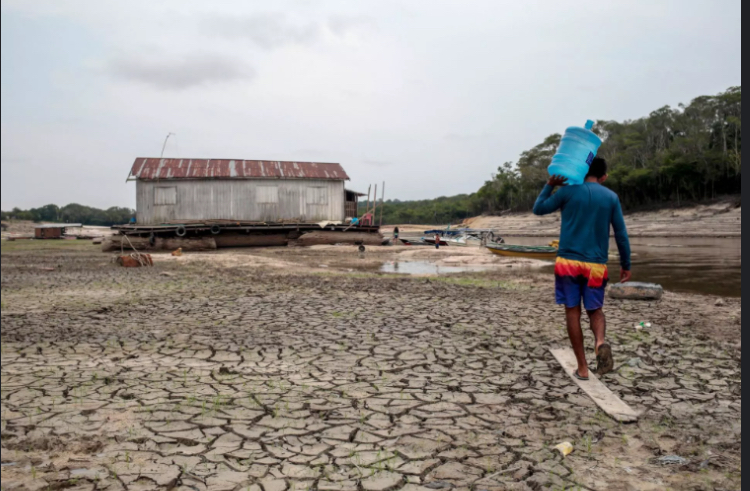
An important tipping point is located in the South American continent, specifically in the Amazon Rainforest. This forest is a biodiversity hotspot for many species and is known as the world's largest rainforest and for its river system. This forest has over 3 million species and over 2500 species of trees (Thomson,2020). Taking into account the importance of this place, it can be considered as a lung for the planet. However, the situation is not going in a good way, as a result, many species are dying and this forest is suffering from the climate change that has been increasing through the years. One factor that is ending the Amazon rainforests vitality and stability is deforestation.
According to DW (2022) about 17% of this forest has been cut down for several human activities like farms and mines. Most of these activities are illegal, so it means that authorities have to take actions in order to stop them from cutting down the forest. When these trees are cut down, the forest is not going to be able to produce the same amount of oxygen as before. This decrease in the production of oxygen will affect the species that live in the area and also affects the ones that live in the rest of the planet, it makes the greenhouse effect increase in our planet, leading to high temperatures.
In conclusion, the Amazon Rainforest is a place not only for the animals but for us, so, as an intelligent being, we should start to preserve and protect our planet to make it a better place for future generations. Deforestation, killing and appropriating nature only brings destruction and less life expectancy for us.
Taking into account the different factors like greenhouse gasses in the atmosphere, it will cause an augmentation of carbon dioxide and other greenhouse gasses that are not beneficial or healthy for the animals that live in our ecosystem. Many solutions have to be created to stop this tipping point from happening and destroying life on Earth. Whay haven't we started doing much more yet?
References
DW (2022). Destruction of the Amazon: what you need to know. https://www.dw.com/en/amazon-fire-deforestation-carbon-capture-carbon-sink-emissions-logging-bolsonaro/a-63428244

Although one might think that coral reefs are colorful and beautiful plants growing on the seafloor, these are actually animals upon which millions of people around the world depend. Corals are animals that form reefs, which feed over 25% of the fish population and act as ecosystems in saltwater. They are consistently admired by the world due to their wondrous nature; however, if the development of climate change doesn’t improve, coral reefs could die.
As it has been exposed for years by countless journalists, scientists, and explorers, like Richard Vevers, founder and CEO of The Ocean Agency; the planet’s beautiful corals are experiencing massive die-offs all around the globe. This phenomenon is caused by a process known as bleaching, where increased ocean temperatures due to climate change make the corals look lifeless in contrast to their usual vibrant colors: they first start turning white, then end up with a brown-ish color.
In the aims of portraying the environmental crisis, Richard Vevers documented the Great Barrier Reef, one of Earth's most magnificent natural wonders, amidst its most recent and severe mass-coral bleaching. This devastating event is not an isolated incident but rather the full picture of a global phenomenon, considering that 1,000 miles away from this barrier reef, New Caledonia’s one was in an even worse state. According to a report by the National Oceanic and Atmospheric Administration (NOAA), this ongoing bleaching event is unprecedented in its scale and severity, affecting coral reefs from the coasts of Florida to the shores of Australia.
What makes this situation even more alarming is its prolonged nature, given that scientists have indicated that there are no signs of it easing up anytime soon. Back in 2018, the Intergovernmental Panel on Climate Change made certain predictions warning that if global warming continues unchecked and reaches:
1.5 °C, most coral reefs could disappear.
2 °C or more, the extinction of coral reefs would be inevitable.
In essence, coral reefs, often admired for their beauty, are crucial ecosystems supporting millions of species and human beings. Yet, they face significant threats from climate change-induced bleaching events, as witnessed by Richard Vevers and others worldwide. The ongoing bleaching, exemplified by the Great Barrier Reef's struggle, underscores the urgent need for global action. If we fail to address climate change, the consequences could be severe, leading to the extinction of these vital ecosystems. It's imperative that we act rapidly to mitigate climate change and protect coral reefs for the sake of future generations.
References
National Ocean Service. (s.f.). What is coral bleaching?NOAA's National Ocean Service. https://oceanservice.noaa.gov/facts/coral_bleach.html#:~:text=Change%20in%20ocean%20temperature%20Increased,can%20bleach%20near-shore%20corals.
What would happen if we lost all coral reefs?. MIT Climate Portal. (2023, November 16). https://climate.mit.edu/ask-mit/what-would-happen-if-we-lost-all-coral-reefs
Agonizing Echoes from the Amazon Rainforest
Climate Change is a subject that has been in the spotlight of news, some environmental activists, but in people’s mouths, very little. We have learned that this phenomenon refers to long-term alterations in the Earth's climate patterns, including changes in temperature, precipitation, and weather events.
These changes are primarily driven by human activities, such as the burning of fossil fuels, deforestation, and industrial processes. So, in this order of ideas, there’s something called “tipping point of climate change” which refers to critical points of no return in the Earth's climate system, where a small change can lead to irreversible consequences. Currently, there are many tipping points of climate change, such as Arctic Sea Ice, Greenland Ice Sheet, West Antarctic Ice Sheet, Permafrost, Ocean Circulation Patterns, Coral Reef Systems and Amazon Rainforest.
Throughout this writing an investigation and description about the last tipping point mentioned, “the Amazon Rainforest”, will be carried out, in addition to the evidence that effectively demonstrates that the Amazon Rainforest could transition from a biodiverse ecosystem to a dry and poor landscape.
The "point of no return" of Amazon Rainforest, in general terms, means the condition where the forest undergoes likely irreversible changes, thus the degradation into open woodland area. What origins have led to this point? Deforestation, droughts and wildfires which occur as consequences of climate change.
Deforestation: It decreases the forest's possibilities to store water and control the local weather spaces. Therefore, with the increase in cutting down forests, drought and forest harm will become higher.
Climate Change: It can worsen the droughts of the Amazon region. The fact that this increases the rates of extreme weather patterns (tropical storms, heat waves etc) is a likely result.
Wildfires: They demolish forest areas, releasing significant quantities of carbon dioxide into the atmosphere.
In that way, what takes place when you move over the line? Talking about that, this event could have a great impact on the regional and global climate change, speeding up global warming and finally leading to additional deforestation. These consequences reference the ones of “Arctic Sea Ice” tipping point exposure, for the reason that the loss of the sea ice brings reduction in the Earth’s ability to reflect sunlight, which in turn causes more absorption of solar radiation and the ice melting proceeds. This in return will affect the regional and global weather systems and climate as in Amazon’s forest.
To conclude, we must take care of the planet and be aware of the damage we cause to it daily. The Amazon Rainforest is an abundant and rich ecosystem; however, if we don’t change our negative impact towards it, it will end up being a poor, dry and unprofitable ecosystem. It will then be forgotten, because there will be more land to take advantage of and eventually destroy.

The Antarctic ice sheet is approaching an important threshold at a fast pace, beyond which the loss of ice could become uncontrollable. According to “The Conversation” journal, this anticipated turning point would be around 2060 at the present rate of emissions and could push global sea levels beyond their tipping points leading to catastrophic consequences for the world economy and vulnerable low-lying coastal communities.
The major concern here is the breakdown of the West Antarctic ice cap that may result from disintegration of floating ice shelves and increased flow rates towards the ocean. Such a collapse would raise global sea levels by over 200 feet in time scales sparking after centuries or even millennia.
These ice shelves in Antarctica are however essential for slowing down the movement of ice into the ocean that stabilizes it. Nevertheless, warming temperatures can weaken these shelves from above such that they become thinner and tend to break apart catastrophically. Thus, recent regional Southern Ocean warming patterns and changes in circulation have led to thinning as well as unpinning throughout increasing exposure to fracturing fronts.
In order to prevent reaching this threshold it is crucial for the world to take action to reduce carbon emissions and preserve Antarctica as a solid ice clad landmass. Even the smallest temperature increase holds significance. Surpassing a 2°C global warming limit is not a scenario, for coastal regions or the worldwide economy.
Relying on solutions to revert back to normalcy is merely an illusion emphasizing the necessity for present policies that prioritize long term considerations to prevent irreversible consequences on Antarctica's ice and the planet.
Sources
https://bonpote.com/en/antarctica-an-inevitable-climate-tipping-point/
Antarctic tipping points https://www.bas.ac.uk/data/our-data/publication/antarctic-tipping-points/ va
Antarctic tipping points: the irreversible changes https://theconversation.com/antarctic-tipping-points-the-irreversible-changes-to-come-if-we-fail-to-keep-warming-below-2-207410
By Mika Rodríguez and Sofía López, Step 11
.jpg)
.jpg)
.jpg)
.jpg)
.jpg)
.jpg)
.jpg)